Kitchen Management · 13 October 2026
Portion control: the hidden cost of 20 grams
In the middle of service, no cook thinks in euros. They think in speed. But when a generous hand adds twenty grams just to fill the plate, annual profit quietly walks out the door.
By Stefanos Kokkalis
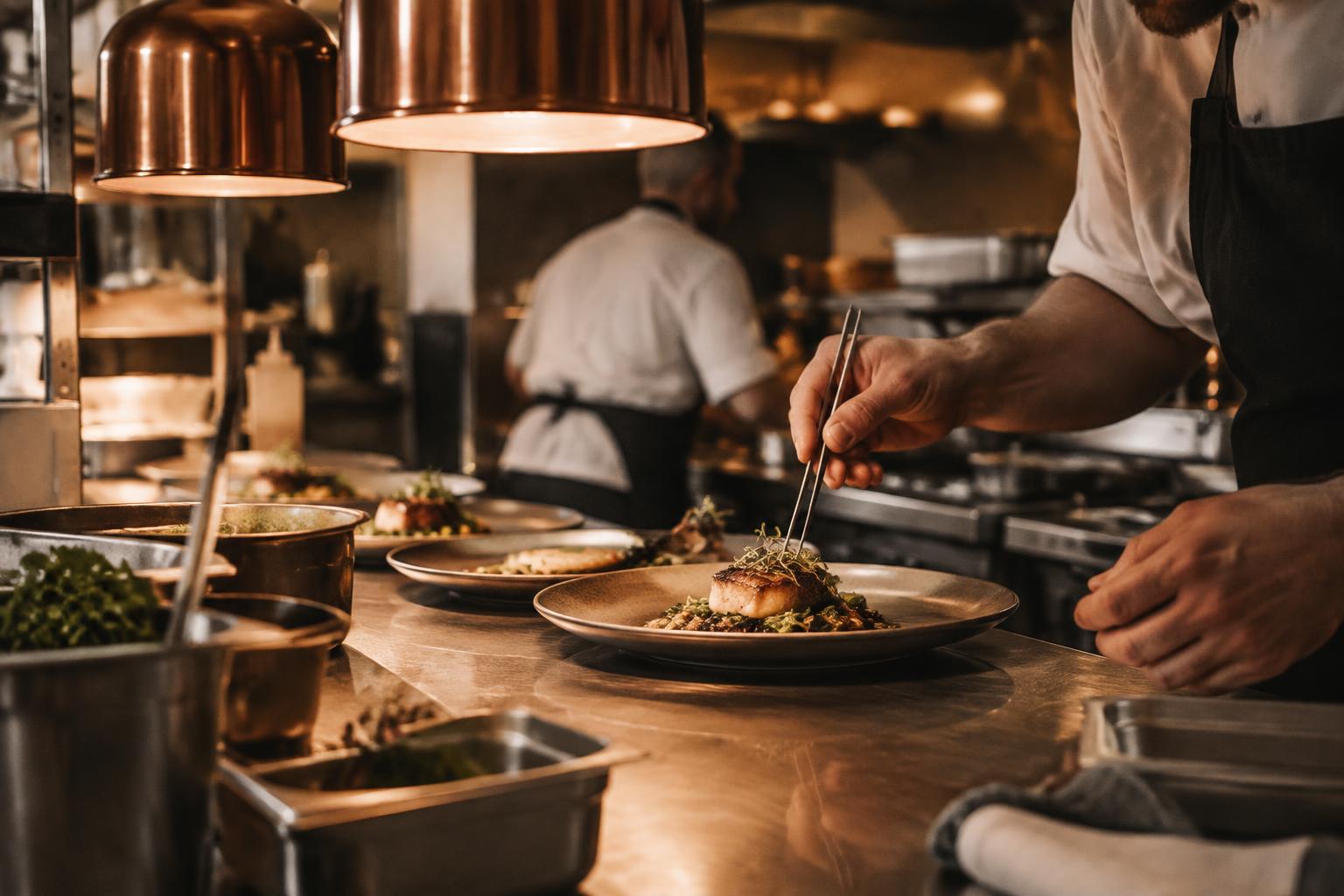
In the heat of service, no cook thinks in euros. They think in speed and plate aesthetics. When a portion of sea bass or rib-eye looks slightly sparse on the ceramic, the hand at the pass compensates instinctively: an extra trim, a heavier spoon of purée, or a generous ladle of sauce. It is a twenty-gram movement. It feels negligible — almost generous.
Kitchen mathematics are unforgiving. In a dining room serving eighty covers of a core protein a day, twenty extra grams per plate add up to 1.6 kilograms of unaccounted ingredients every day. Over a three-hundred-day operational year, that is nearly half a ton of prime product leaving the kitchen unbilled. At an average wholesale cost of €25 to €35 a kilo, that is a direct leak of €15,000 straight out of net margin — without a single guest noticing they received 220 grams instead of 200.
Portion drift is never solved by shouting at the pass or complaining over month-end spreadsheets. Cooks over-portion for three predictable reasons: oversized plates that make a correct portion look meager, cutting proteins by eye on the fly during service, and generic ladles without calibrated volumes where everyone relies on wrist feel.
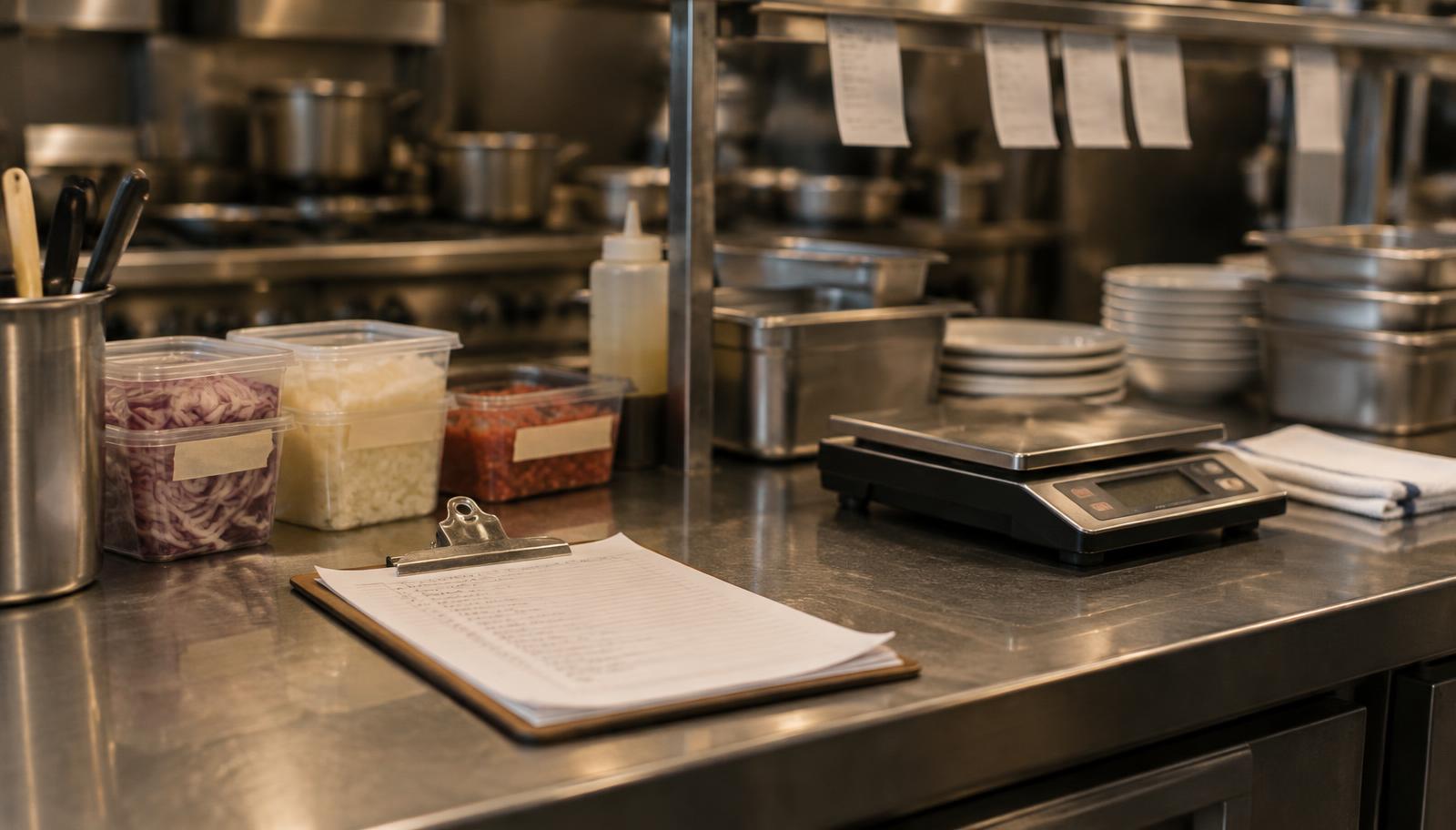
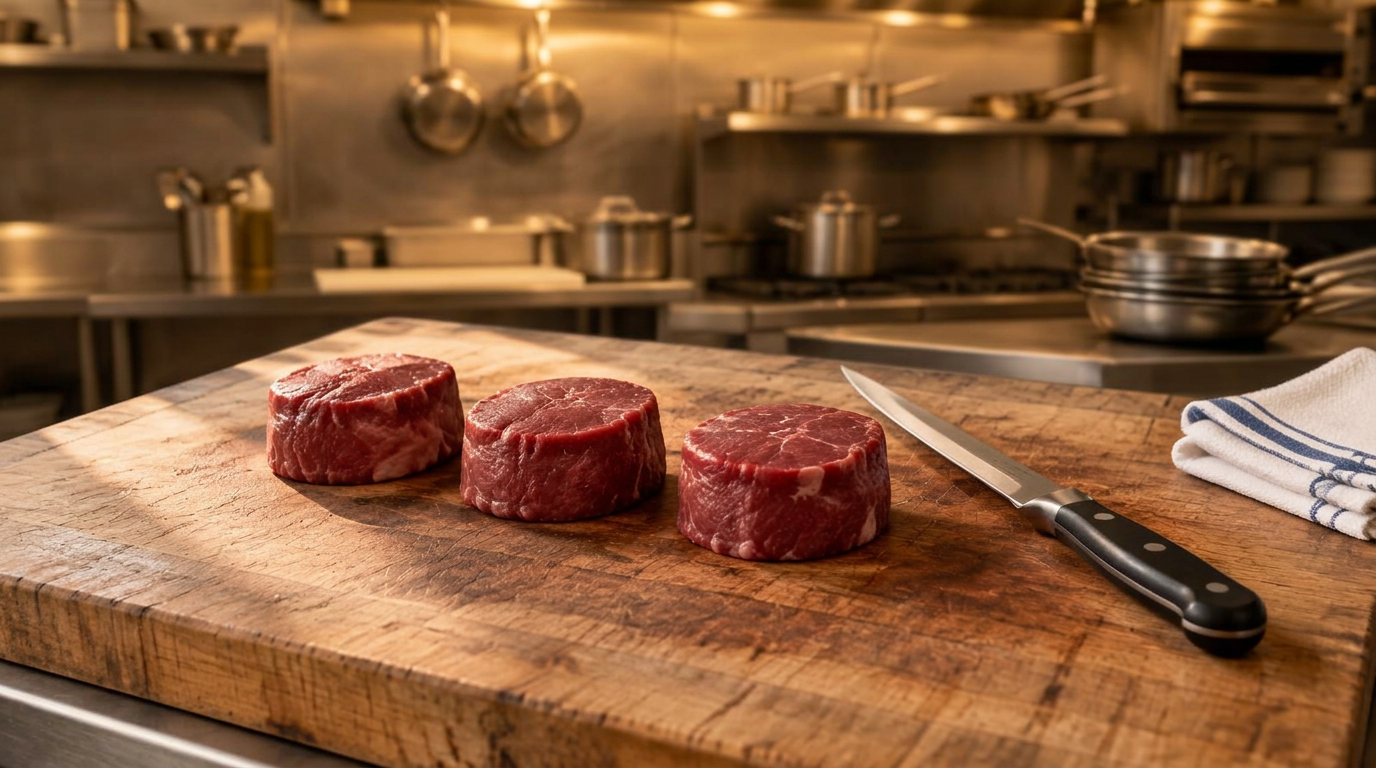
Control is locked in during prep, not during service. At the peak of the rush, when orders pile up and tables demand food all at once, it is too late to weigh anything. The standard is established during mise en place: every cut of meat or fish is weighed on a digital scale, stacked with parchment dividers or bagged individually with an exact batch count. On the line, the cook never trims; they pick up a finished, pre-measured unit. For purées and sauces, fixed-volume portion scoops take guesswork out of the pass completely.
A quick routine check keeps the standard alive. Half an hour before service begins, before doors open, the chef spot-checks three prepped portions from each station. If the variance exceeds five grams, calibration happens before the stoves are lit. When portion discipline becomes second nature, food cost stops being a month-end surprise and turns into a predictable, protected reality.
Related service
Food cost control & F&B consultingWorking on something? Let's talk.
Contact Trofi