Greek Cuisine · 14 July 2026
Greek cuisine beyond the taverna
Regional Greek cooking has far more range than the standard menu suggests. Here is how we build a modern Greek menu.
By Stefanos Kokkalis

Most Greek menus repeat the same fifteen dishes. They sell, and there is nothing wrong with that. But they represent only a fraction of what the country actually cooks.
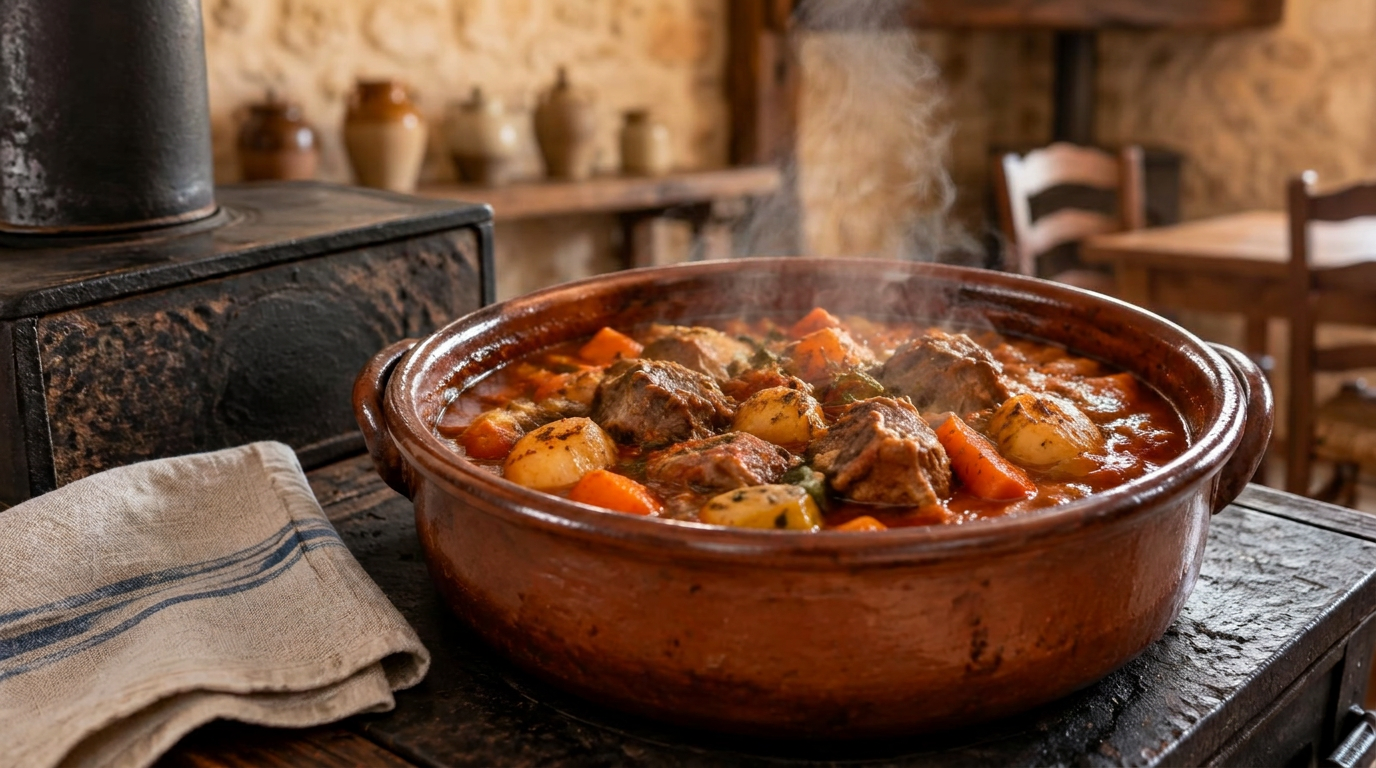
The first decision is the map: we start by charting regions, not dishes. Epirus gives you pies, dairy and slow-cooked meats. The Cyclades give you capers, fava, cured fish and sun-dried tomatoes. Crete gives you wild greens, barley rusks and generous olive oil.
The second decision is technique. A dish can stay Greek while its execution evolves: brining and charcoal instead of frying, fermenting some of the vegetables, ladera (vegetables slow-cooked in olive oil) as a main course rather than a side.
The third is honesty. If the feta comes from a specific producer in Thessaly, say so. If not, don't invent a village.
Finally, design the menu around what the kitchen can actually deliver at its real capacity. Ambition belongs in the prep, not on the pass.
Related service
Our consulting servicesWorking on something? Let's talk.
Contact Trofi