Kitchen Management · 5 June 2026
Kitchen management: the first 90 days
Taking over a kitchen that is not working? Fix safety, then prep lists, then the menu — in that order, and not before you have watched a full week.
By Stefanos Kokkalis

When we are called into a kitchen that is losing money or losing people, the temptation is to rewrite the menu on day one. That is almost always the wrong move.
Week one is observation. Two full services a day, no changes, notes only. You are watching where the pass stalls, who is covering for whom, and how many dishes leave the kitchen after the rest of the table has been served.
Weeks two and three are compliance and safety. HACCP records, temperature logs, allergen matrix, cleaning schedules with named owners. This is not paperwork for inspectors; it is the cheapest way to find out where the kitchen has stopped being disciplined.
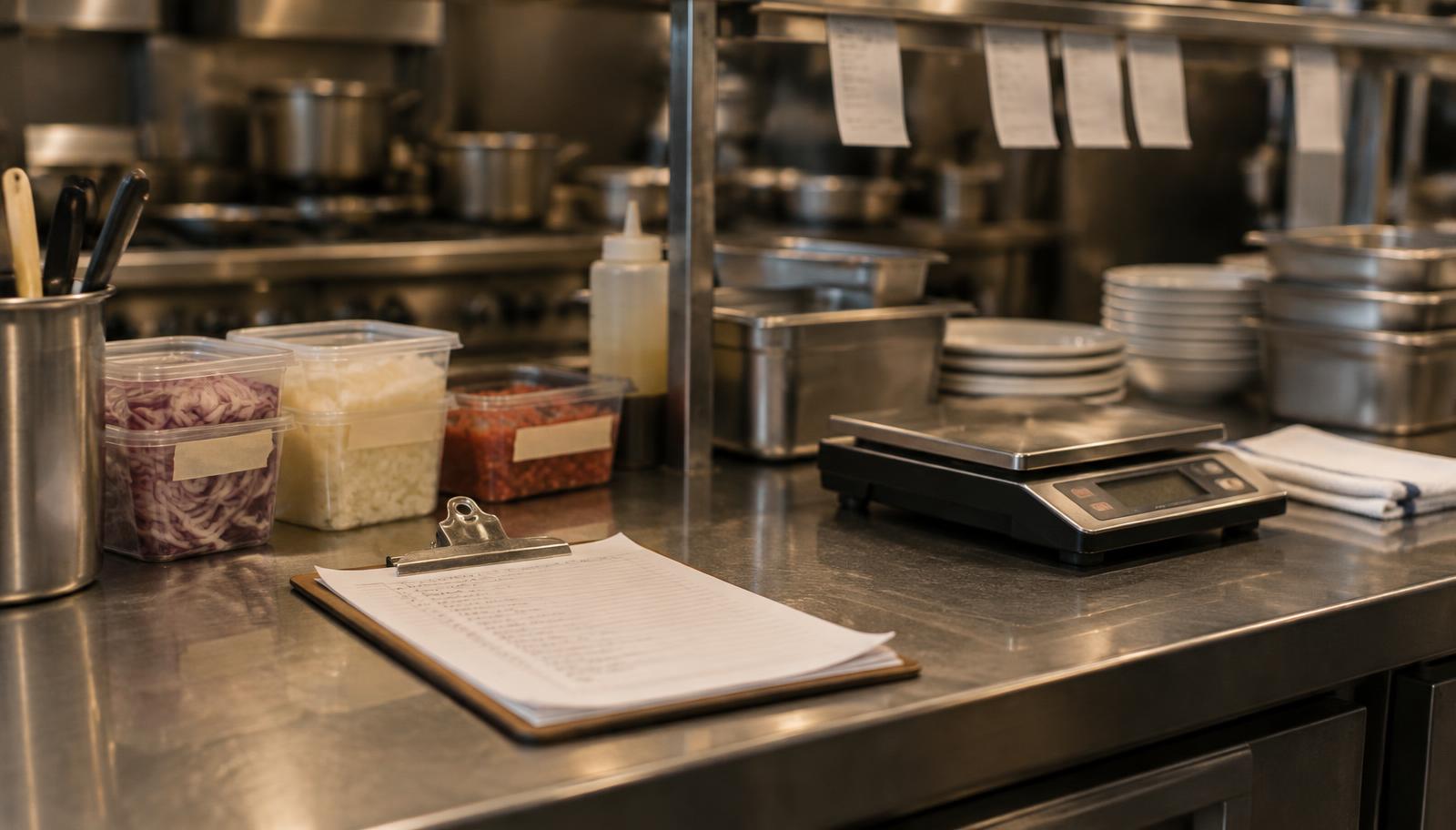
Weeks four to six are prep. A written prep list per section, quantities tied to the last four weeks of sales, and a single par-level sheet. Most kitchens we see are not slow because the cooks are slow; they are slow because nobody agreed what should exist at 17:00.
Only in weeks seven to twelve do we touch the menu, and then only to cut. Remove the bottom-selling items, re-cost everything against current invoices, and rebalance sections so no station carries more than a third of the orders.
By day ninety you should have a kitchen that finishes prep on time, passes an unannounced inspection and knows its food cost weekly rather than monthly. Creativity is much easier after that.
Related service
Our consulting servicesWorking on something? Let's talk.
Contact Trofi